Why a Facebook Page is Not a Substitute for a Website
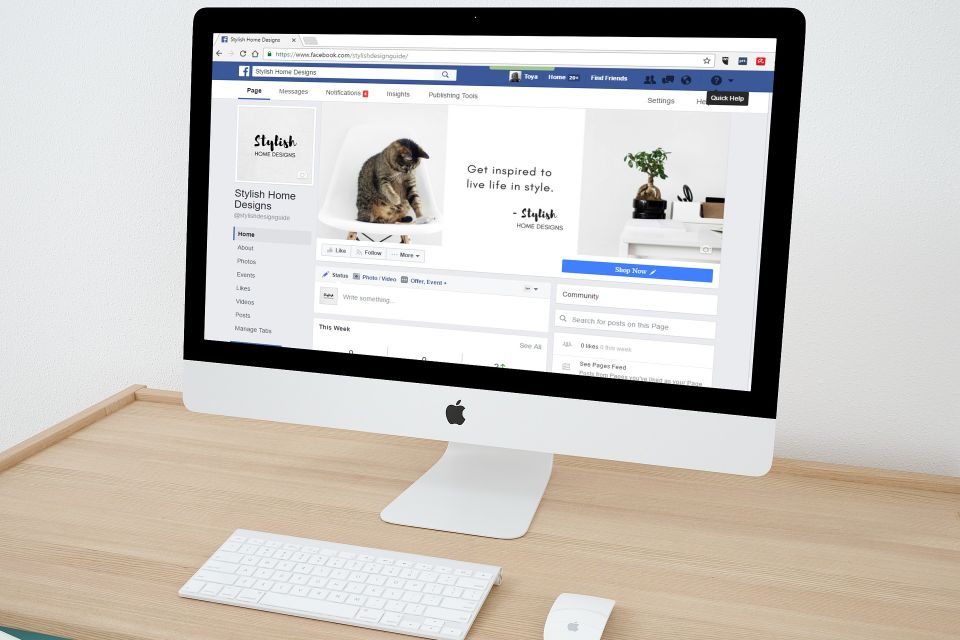
When it comes to promoting and representing your small business online, it's important to have a strong, professional presence. Many businesses today turn to social media platforms, like Facebook, to create that presence. However, using a Facebook page as your primary or only online presence can be a huge mistake. In this article, we'll go over the top ten reasons why using a Facebook page as your business website is a bad idea, and explore some alternative options for promoting your business online.1. You don't own it.One of the biggest drawbacks to using a Facebook page as your business website is that you don't actually own the page. It belongs to Facebook, and they can change it, remove it, or make it hard to find in search results at any time. This lack of control can be frustrating and potentially damaging to your business, especially if you've put a lot of time and effort into building up your Facebook presence.2. You eliminate non-Facebook users.While Facebook has over two billion users, there are still plenty of people who don't use the platform, particularly in younger and older demographics. By relying solely on a Facebook page for your online presence, you risk eliminating these potential customers. While it's true that not everyone uses social media, it's important to consider all potential channels for reaching your audience.3. SEO options are limited.SEO, or search engine optimization, is the practice of improving the ranking of a website in search engine results. While it's possible to optimize a Facebook page to an extent, you are limited in the keywords you can target and the content you can post. Additionally, a Facebook page will only show up in search results once, while a website with multiple pages has the potential to show up multiple times. This can make it harder for potential customers to find your business online.4. You may have to pay for ads to get seen.Facebook is in the business of making money, and they use a "freemium" model to do it. While creating a Facebook page and posting updates is free, the reach of those posts is often quite limited. In order to get your posts seen by a larger audience, you may have to pay for ads. While this may not be a significant cost for some businesses, it's important to factor it into your marketing budget.5. Functionality is limited.On a Facebook page, you can post updates, upload photos, and use Facebook Messenger to chat with customers. However, the functionality of a Facebook page is quite limited compared to a website. A website allows you to create forms, add e-commerce functionality, and create custom pages and posts with a wider range of formatting options.6. There's no sales funnel.A sales funnel is a series of steps that a potential customer goes through on their way to making a purchase. On a website, you can use calls-to-action, landing pages, and other tactics to guide users through the sales process. With a Facebook page, you don't have the same level of control and therefore don't have the same ability to guide users towards making a purchase.7. Content is limited.While it's possible to write an "About Us" section and post updates on a Facebook page, there isn't really a place to post in-depth content that can draw in users and improve your search engine ranking. A website, on the other hand, allows you to create blog posts, articles, and other types of content that can help you attract and retain customers.8. You can't brand the page.On a Facebook page, you can add a cover image and upload a profile picture, but you can't really brand the page beyond that. A website, on the other hand, allows you to choose your own color scheme, fonts, and design elements to create a cohesive and professional look.9. Searching for content is difficult.On a website, you can save, organize, and make pages and posts searchable. This makes it easy to find and refer back to older content. On a Facebook page, the options for saving and organizing content are much more limited, and there is no way to export your content. This makes it difficult for both you and your customers to find and refer back to older posts.10. Analytics and data are lacking.Finally, the analytics and data available on a Facebook page are not as robust as those on a website. While Facebook does provide some information on the reach and engagement of your posts, it's not as detailed or customizable as the analytics you can get from a website. This makes it harder to track the effectiveness of your marketing efforts and make data-driven decisions about your business.A Facebook business page should be used in addition to a website, not as a substitute for one.If you want to grow your business online, it's essential to have a professional website in addition to a Facebook page. A website allows you to promote your brand, fully showcase your products or services, create a sales funnel, and track your marketing efforts through detailed analytics. While it may seem easier and cheaper to use a Facebook page as your primary online presence, the limitations of a Facebook page make it a poor choice in the long run.
That's where our web design firm comes in! We specialize in creating affordable, professional websites for businesses of all sizes. Our team of experienced designers and developers will work with you to create a website that perfectly reflects your brand and meets your business goals. And, once your website is up and running, you can use your Facebook page to promote it and drive traffic to your site.
Don't settle for a limited online presence. Invest in a professional website and take your business to the next level. Contact us today to learn more about how we can help your business succeed online.